
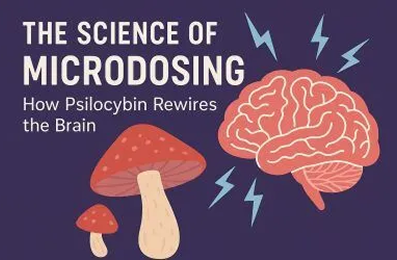
Psilocybin mushrooms are part of a remarkable branch of nature’s chemistry, shaped by millions of years of fungal evolution. These mushrooms belong to the genus Psilocybe, a group known not only for their psychoactive properties but also for their ecological intelligence. In nature, they thrive in symbiosis with ecosystems rich in organic life, contributing to nutrient cycling, soil regeneration, and the decomposition of plant material. Their mycelial networks, sprawling quietly beneath the forest floor, act as both communication channels and nutrient highways. Many people who explore microdosing begin by learning how these organisms fit into the broader story of fungal biology, appreciating the balance of complexity and subtlety that defines the entire fungal kingdom. Understanding the origins of psilocybin mushrooms provides a foundation for appreciating their modern applications in intentional, mindful wellness practices.
Chemically, psilocybin-containing mushrooms offer a fascinating mixture of naturally occurring tryptamines. Psilocybin itself is a prodrug that the body converts into psilocin, the compound that interacts with serotonin receptors—particularly the 5-HT2A receptor—associated with perception, mood, and cognitive flexibility. Alongside psilocybin and psilocin, these mushrooms also contain baeocystin and norbaeocystin, sister compounds that add nuance to the overall biochemical profile of the species. While research on these minor compounds is still developing, many microdosing enthusiasts appreciate that they contribute to the distinctive character of each strain. This natural complexity reinforces why people feel drawn to microdosing: it is not a single molecule doing one thing, but a constellation of compounds interacting harmoniously with human neurochemistry.
For individuals exploring the future of psychedelic therapy in Canada, understanding these origins helps contextualize why psilocybin has captured so much scientific and public interest. Unlike synthetic compounds designed in labs, psilocybin mushrooms hold cultural, ecological, and historical significance. They have been integrated into rituals, ceremonies, and introspective practices across different civilizations for centuries. Today’s interest in microdosing reflects a desire to engage with these natural compounds in a measured, intentional way that aligns with modern lifestyles—bringing together ancient wisdom, scientific curiosity, and personal exploration. Consumers seeking high-quality microdosing options often gravitate toward brands that respect both the biology and cultural lineage of these mushrooms, such as those featured on microdosemushrooms.com.
How Microdosing Interacts With Serotonin Pathways
and Neural Signalling
Microdosing works on a subtle neurological level, involving interactions with the brain’s serotonergic system. Psilocin, the active metabolite of psilocybin, binds with the 5-HT2A receptor—one of the serotonin receptors associated with mood, cognitive flexibility, sensory processing, and the brain’s capacity to reorganize itself. When taken in very small, sub-perceptual doses, psilocin does not produce the immersive or dramatic effects associated with full psychedelic experiences. Instead, microdosing is often described as influencing the brain’s background processes. Many users feel increased openness, heightened awareness, and a general sense of “calm clarity,” as though the mind becomes more balanced and capable of noticing details without becoming overwhelmed.
Neuroscientists have been increasingly interested in how psilocybin influences neuroplasticity—the brain’s ability to form new neural pathways. Studies suggest that psilocin encourages neural adaptability, potentially supporting cognitive processes that involve creativity, pattern recognition, emotional flexibility, and problem-solving. Microdosing enthusiasts who incorporate psilocybin into their routines are often drawn to these concepts. They’re not seeking intense psychedelic journeys; rather, they appreciate small shifts in perspective that align with enhanced mental flow and smoother cognitive transitions. Many describe feeling more connected to their environment, more open to new ideas, or more emotionally centered.
Because serotonin pathways play such a central role in emotional awareness, mood stability, and cognitive performance, the connection between microdosing and these neural processes feels intuitive to many users. The interaction between psilocin and serotonin creates a kind of neurological “tuning,” where thoughts may feel more fluid, and the mind may feel more grounded in the present moment. People often incorporate microdosing into larger mindfulness practices—such as meditation, breathwork, intention-setting, and journaling—to enhance these subtle effects. Together, the biochemical and lifestyle elements create a holistic experience that many find supportive for creativity, presence, and emotional balance, without seeking therapeutic claims.